
Impact of Menopause on Women with MS
Category: Research Poster
Author(s): Sydney McKibbon
Presenter(s): Sydney McKibbon
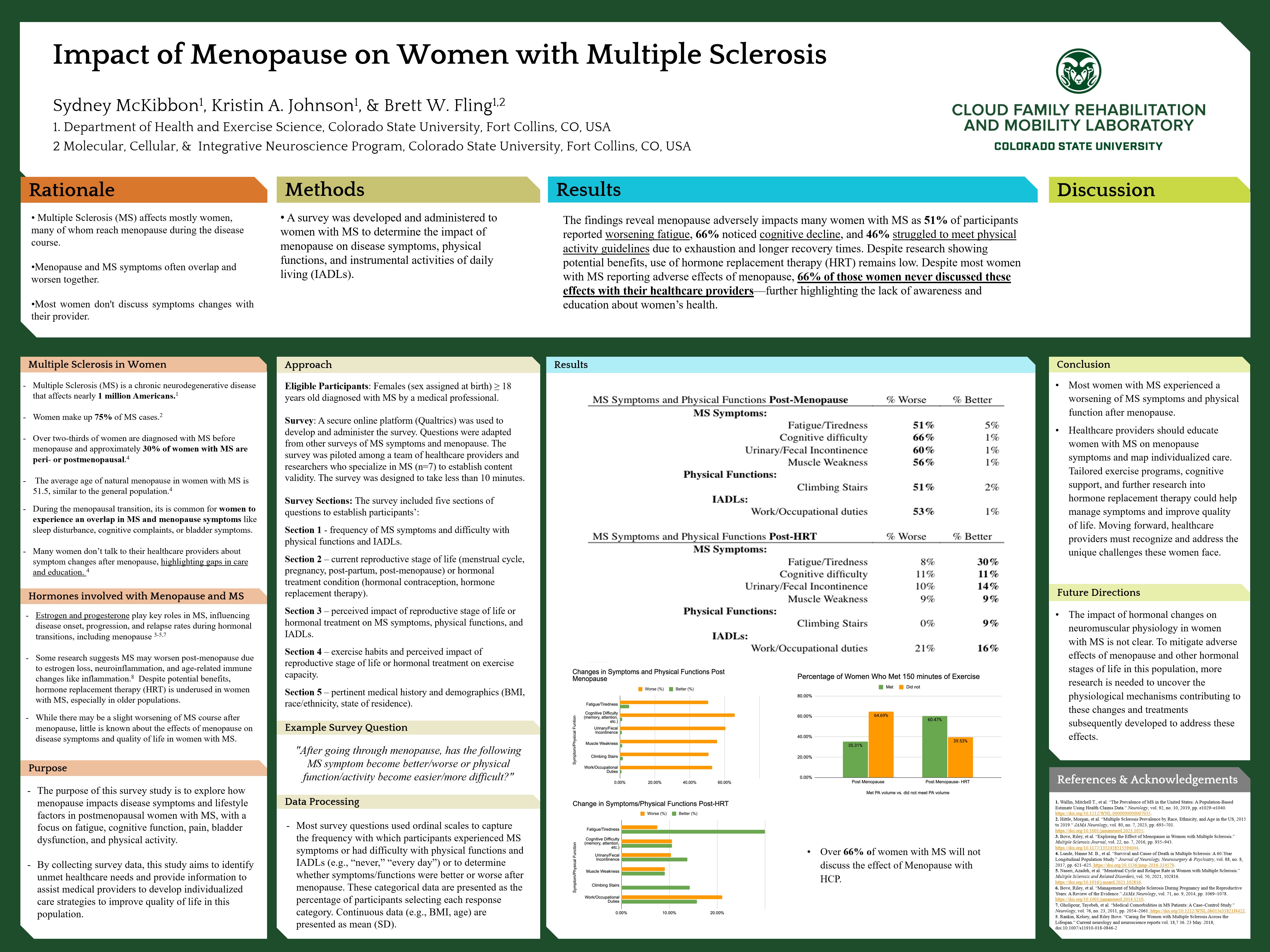
Multiple sclerosis (MS) is a chronic neurodegenerative disease that disproportionately affects women, many whom experience menopause during their disease course. The hormonal changes of menopause—especially the drop in estrogen—can make MS symptoms like fatigue, brain fog, and bladder issues worse, possibly speeding up disease progression. Despite these challenges, the link between MS and menopause is often overlooked in healthcare, leaving many women without the support they need. This study looks at survey data from postmenopausal women with MS to better understand how menopause affects symptoms like fatigue, cognition, pain, bladder dysfunction, and exercise habits. The findings reveal significant struggles: 51% of participants reported worsening fatigue, 66% noticed cognitive decline, and 46% struggled to meet physical activity guidelines due to exhaustion and longer recovery times. Despite research showing potential benefits, hormone therapy (HT) use remains low. Even more concerning some respondents experienced at least one adverse symptom after menopause. Yet, 66% of those women never discussed these changes with their healthcare providers—further highlighting the lack of awareness and education about women’s health. These findings make it clear that postmenopausal women with MS need better, more individualized care. Tailored exercise programs, cognitive support, and further research into hormone therapy could help manage symptoms and improve quality of life. Moving forward, healthcare providers must recognize and address the unique challenges these women face.